Types of Foundations in Building Construction
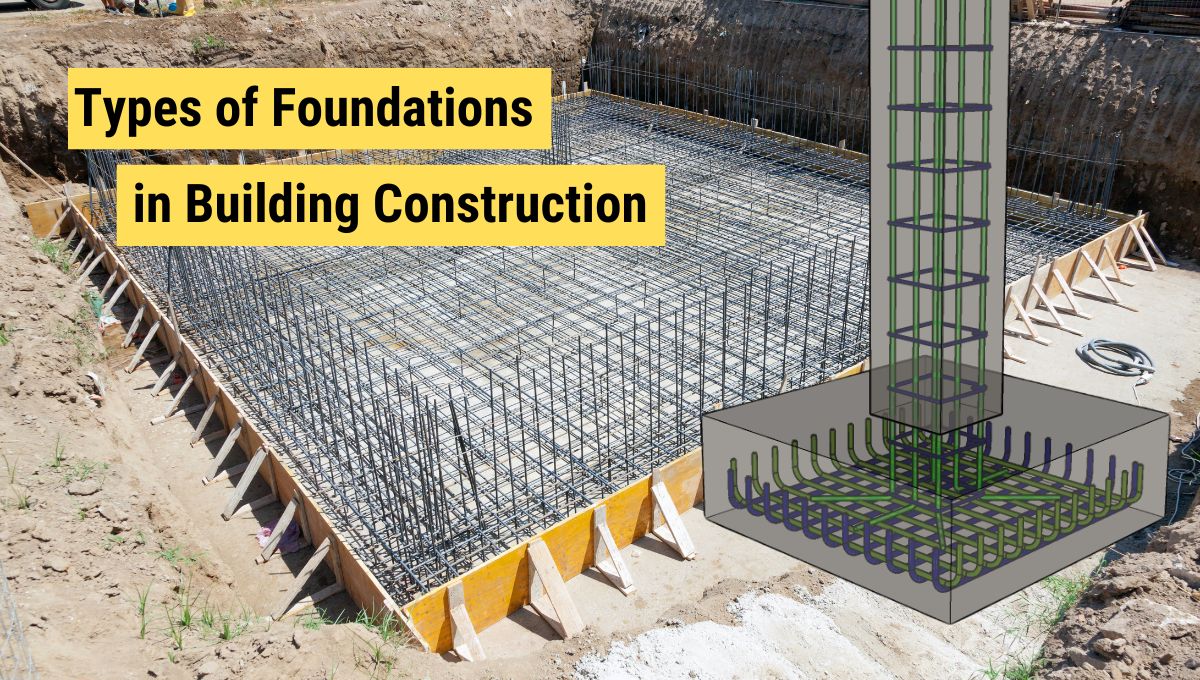
types of foundations in building construction

The foundation of a building is quite important as it supports the main structure and helps to make it stable and strong. Hence, choosing the right type of the foundation is very important so that a combination of site conditions, loading conditions, and design limitations are appropriately addressed. In this article, we explore the types of foundations in building construction, their uses, and recommendations for creating dependable structures. Foundation – An Overview A foundation is defined as the lowest part of a structure which is usually below ground level. Its…

Read More

How to Decide the Position of Columns in a Building Plan? | Structural Planning | Civil Tutor

column position in a building plan

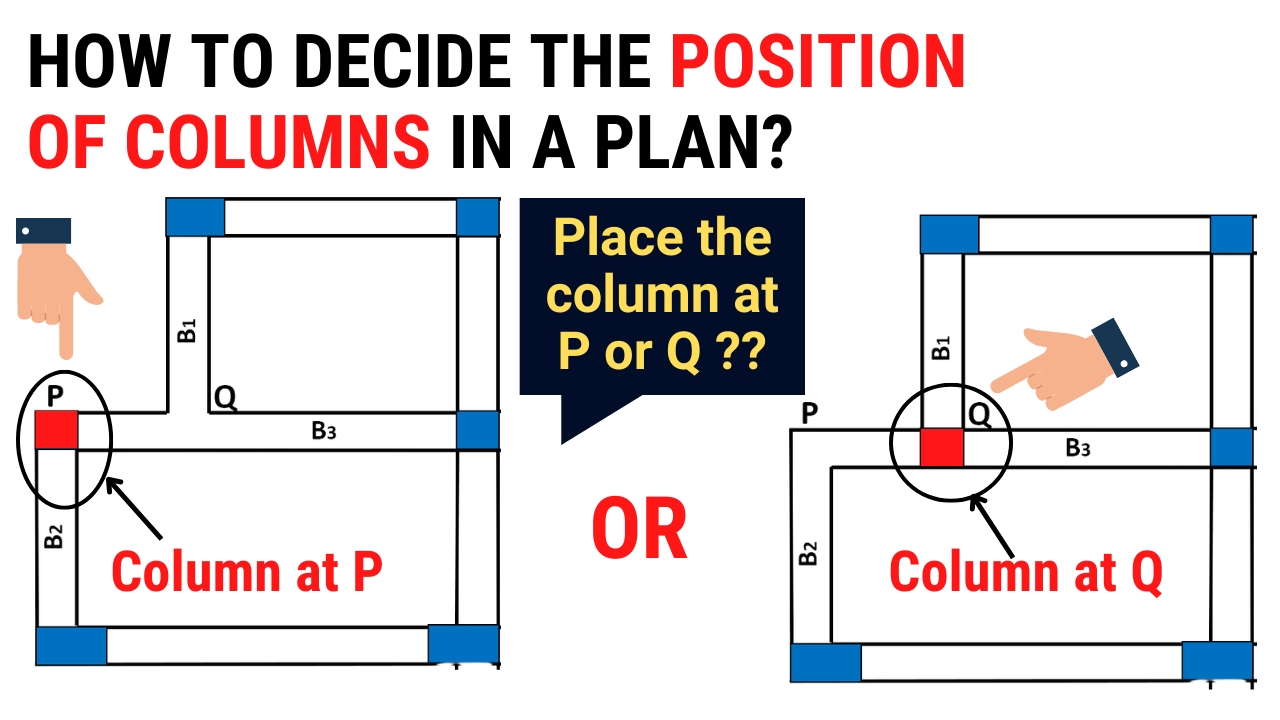
After getting the architectural plan of a building, one of the most important tasks for a structural engineer is to determine the position and orientation of columns. This decision impacts the layout of beams, slabs, stairs, and the selection of footings. In this article, we will explore how to decide the position of columns in a building plan during structural planning. 1. Column Placement at Corners and Intersections One common practice is to place columns at or near the corners of a building, as well as at the intersections of…

Read More

Master the Art of Measuring: How to Read a Measuring Tape Like a Pro

How to Read a Measuring Tape

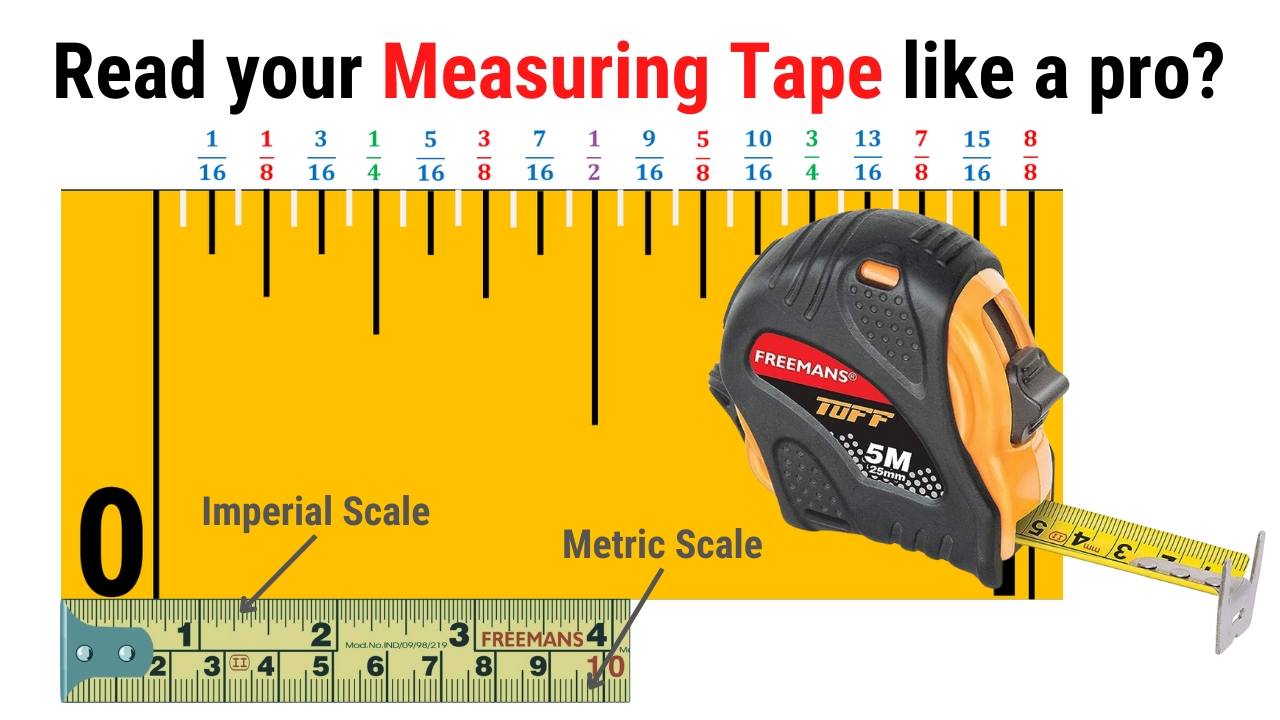
Accurate measurements are essential for any successful project, whether you’re constructing a building, crafting furniture, or handling smaller DIY tasks. However, many people struggle to interpret the markings on a measuring tape. In this guide, we’ll break down the markings and features of a measuring tape. Whether you use metric or imperial systems, you’ll learn how to achieve precise measurements every time. Understanding the Basics of a Measuring Tape Total Length of the Tape Before using a measuring tape, take note of its length, typically printed on its label. Common…

Read More

Why do we prefer trapezoidal footings over pad footings?

Why do we prefer trapezoidal footings over pad footings?

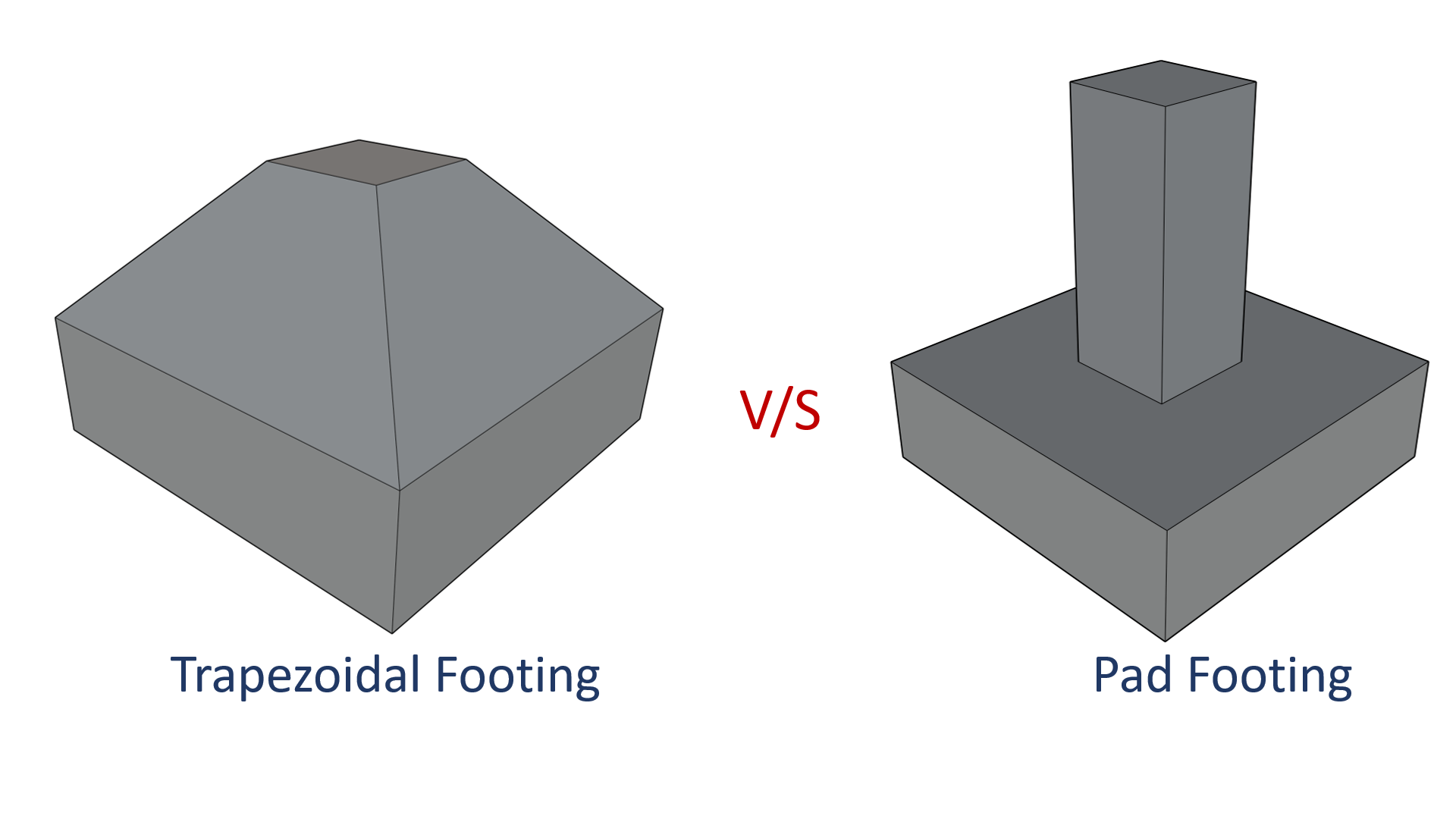
When constructing a building, it’s very crucial to ensure a foundation that is stable and can withstand the loads exerted upon it. Footings play an important role in transfering the weight of the structure to the ground. There are different types of footings available, each having its own set of advantages and applications. In this article, we will explore the reasons why trapezoidal footings are often preferred over pad footings in various construction projects. Definition and Purpose of Footings Footings are structural elements that are casted below ground level to…

Read More

The Math Behind Load Transfer Mechanisms in Framed Structures

FRAMED STRUCTURE

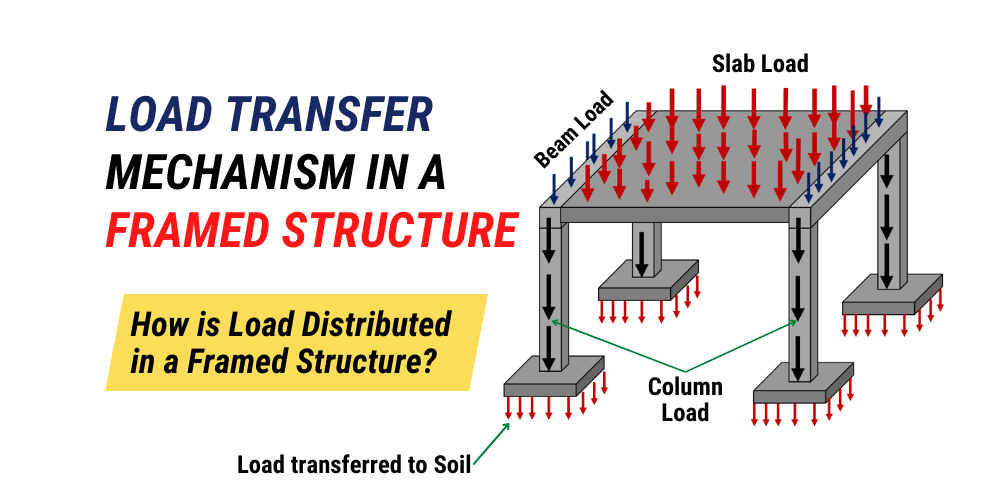
What is a Framed Structure? A framed structure is a type of construction that is made up of various structural elements, such as slabs, beams, columns, and foundations, that work together to transfer and distribute loads throughout the building. Load Transfer Mechanism in Framed Structures: The load transfer mechanism in a framed structure refers to the way that loads are transmitted from one element to another and eventually to the ground. In a framed structure, loads are introduced into the structure through various means, such as gravity, wind, earthquakes, and…

Read More

How to calculate the quantity of materials in plaster?

quantity of materials in plaster

How to calculate the quantity of materials in plaster? Plastering is a crucial step in any construction project as it provides a smooth and even finish to walls and ceilings. To calculate the quantity of cement and sand required for plastering, you will need to know the area of the wall or ceiling that needs to be plastered and the thickness of the plaster layer. You will also need to decide on the ratio of cement to sand that you want to use.  For wall plaster, the common ratio is…

Read More

What is Strong column weak beam concept?

Strong column-weak beam concept

Structural engineering, as it assists in the designing and building of structures like bridges, houses, and other extensive works falls under the area of construction. One important principle that is practiced by most of the people in this area is referred to as ‘strong columns and weak beams’. This principle means that portions of a structure where columns are situated should have greater strength and stiffness than the beams. The reason for this difference is that columns are predominant under axial compressive force and beams are mainly under bending.  …

Read More

Why do we prefer Under-Reinforced sections over Balanced or Over-Reinforced sections?

Why do we prefer Under Reinforced sections over balanced or over reinforced sections

When it comes to designing RCC beams, there are several options to consider when it comes to the amount of reinforcement used. Generally, we have 3 types of sections. i.e. In this article, I’m going to explain to you all the three sections in detail and at the end, we will discuss, Why do we prefer Under-Reinforced sections over Balanced or Over-Reinforced sections?   1. Balanced Section: If we talk about the Balanced section, this type of section is designed in such a way that, if we apply load on…

Read More

Difference between Load-Bearing structure and Framed structure

difference between load bearing structure and framed structure

The two most common structural systems used in building construction are load-bearing structures and framed structures. In load-bearing structures the walls are designed to carry the weight of the building, transferring it directly to the earth. In contrast, a framed structure is a type of building design where the load is carried by an external frame or skeleton. The external frame of a framed structure is made up of columns and beams that are connected together to form a grid-like structure. The walls of a framed structure are typically non-load…

Read More

Important points related to the Design of Beams

Important points related to the Design of Beams In this article, I’m going to discuss some important points related to the design of RCC beams which are going to be very much helpful to all of you. As per IS 13920-2016, Cl 6.1.1; For beams of rectangular cross-section, It shall always be preferred to have a Width to Depth ratio greater than 0.3. i.e., If Bw is the width of beam and D be its depth; Bw/D > 0.3 While deciding the size of an RCC beam, The minimum width…

Read More